Fencing Builders on Treated vs. Untreated Lumber Choices
Walk any type of area and you can review the story of its fencings from the pathway. Some lean like worn out sailors, rails divided and silvered. Others stand straight and tight, boards flush and tops crisp. The difference is rarely simply looks. It is generally worldly selection fitted to the website, and how that choice surges through the build. Ask a seasoned Fence builder why one fence struck twenty years while another bailed out in 5, and you will hear a lesson on cured vs. Untreated lumber, soil, bolts, and a dozen tiny decisions that include up.
I have constructed in clay that swells like a sponge, in sandy loam that drains as quickly as a screen, and in coastal air that salts whatever it touches. I have reduced open failed messages and viewed the story of rot in sample, black touches spiraling up till audio wood gives way to punk. When Fencing Contractors evaluate treated versus unattended wood, we are not selecting a team shade. We are predicting exactly how biology, chemistry, and climate will treat your fencing for the following decade or two.
What stress treatment actually does
Pressure therapy is not a pressure area. It is a chemical retention inside the external covering of a board or message that reduces fungal decay and hinders pests. Modern therapies for household use are copper based, typically ACQ, CA, or MCA. The wood enters into a pressure vessel, a vacuum pulls air and wetness, the preservative service floods in, then pressure drives it right into the fibers. After treatment, the wood is stickered to completely dry, although lots of boards still arrive at the lawn damp and heavy.
Two points matter on website. Initially, treatment degrees are not all equal. Ground call lumber is dealt with much more heavily than over ground supply. That greater retention is what you want in blog posts hidden in dirt or established in concrete. Second, the chemical deepness is not consistent. The outer shell takes extra preservative than the core, and incisions you see on some messages aid the liquid pass through. If you reduced a dealt with board, that fresh face is reasonably vulnerable unless you secure it. Excellent Fencing Installers bring end cut chemical for this reason.
Untreated lumber is what the tree offered you, dried and grated. Cedar and redwood rely upon all-natural extractives for degeneration resistance, mostly in the heartwood. Spruce, fir, and pine have little of that defense. Without treatment does not indicate weak. It implies you must match types and positioning to the work, and accept more upkeep to maintain water and sunlight from eating it.
Where fencings in fact fail
Rot requires 3 conditions: food, dampness, and the ideal temperature level. Timber is food. Most environments supply the temperature level. So the battle is about moisture. Articles fail at or near the dust line, where cyclic wetting and oxygen feed fungis. Bed rails rot where water rests, entraped by a limited pocket or a horizontal surface. Pickets cup and split when their damp inside face dries faster than the outdoors, or when sunlight pounds one side and shade maintains the opposite side cool.
A fencing can strike twenty years if you maintain wetness out of the timber typically. In amazing, shaded yards with irrigated beds, that is harder. In gusty, sunlit alleys with gravel bases, that is simpler. Treated lumber acquires you margin in the moist areas. Untreated lumber can thrive if you construct to shed water, keep ground clearance, and finish properly.
Treated vs. Untreated by component
Not every component of a fence lives the same life. Posts, rails, and pickets ask for different selections. Solid Fencing Builders do not choose one material and mark it across the entire line. They mix where it helps.
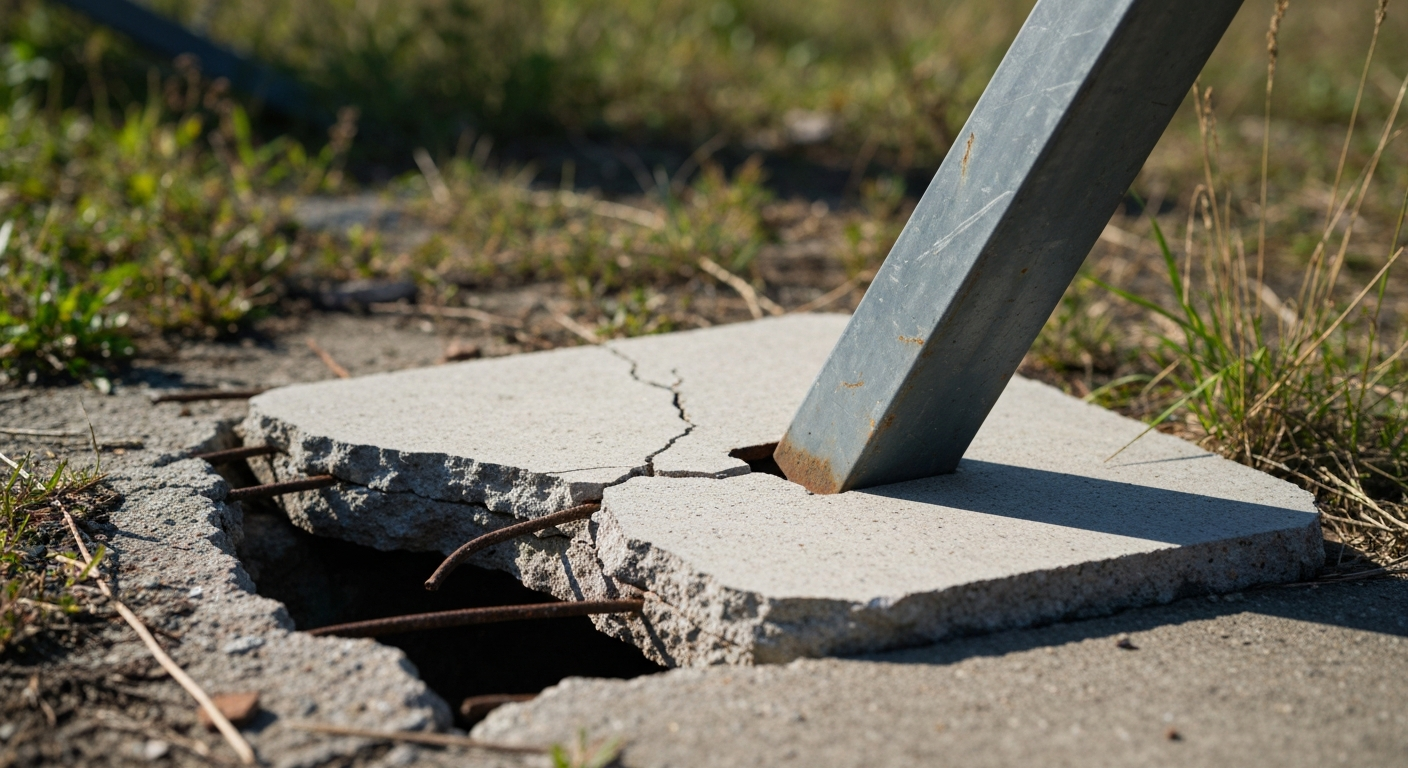
Posts: This is where preservatives gain their maintain. Soil microbes and continuous damp at quality chew messages early. For softwoods like want, I utilize ground contact rated treated blog posts for practically every hidden installation. In heavy clay that holds water, I tip up to incised messages with greater retention. If the client desires a natural appearance over ground, we can sleeve the treated article with cedar. If a person insists on cedar messages in the dirt, I demand extra-large crushed rock water drainage and air gaps at the base, and I reset assumptions on lifespan. Some Fence Contractors switch to steel messages with wood rails, specifically in storm belts. That crossbreed is not purist, yet it works.
Rails: Rails see intermittent wetting and a lot of sunlight. Dealt with want rails hold up, but they can turn and inspect as they dry. Neglected cedar or redwood rails act far better dimensionally and look tidy. On personal privacy fences with three rails, I frequently run cured rails for budget plan work and cedar for costs builds. The expense dive is recognizable, yet the long straight lines stay straighter and take tarnish evenly.
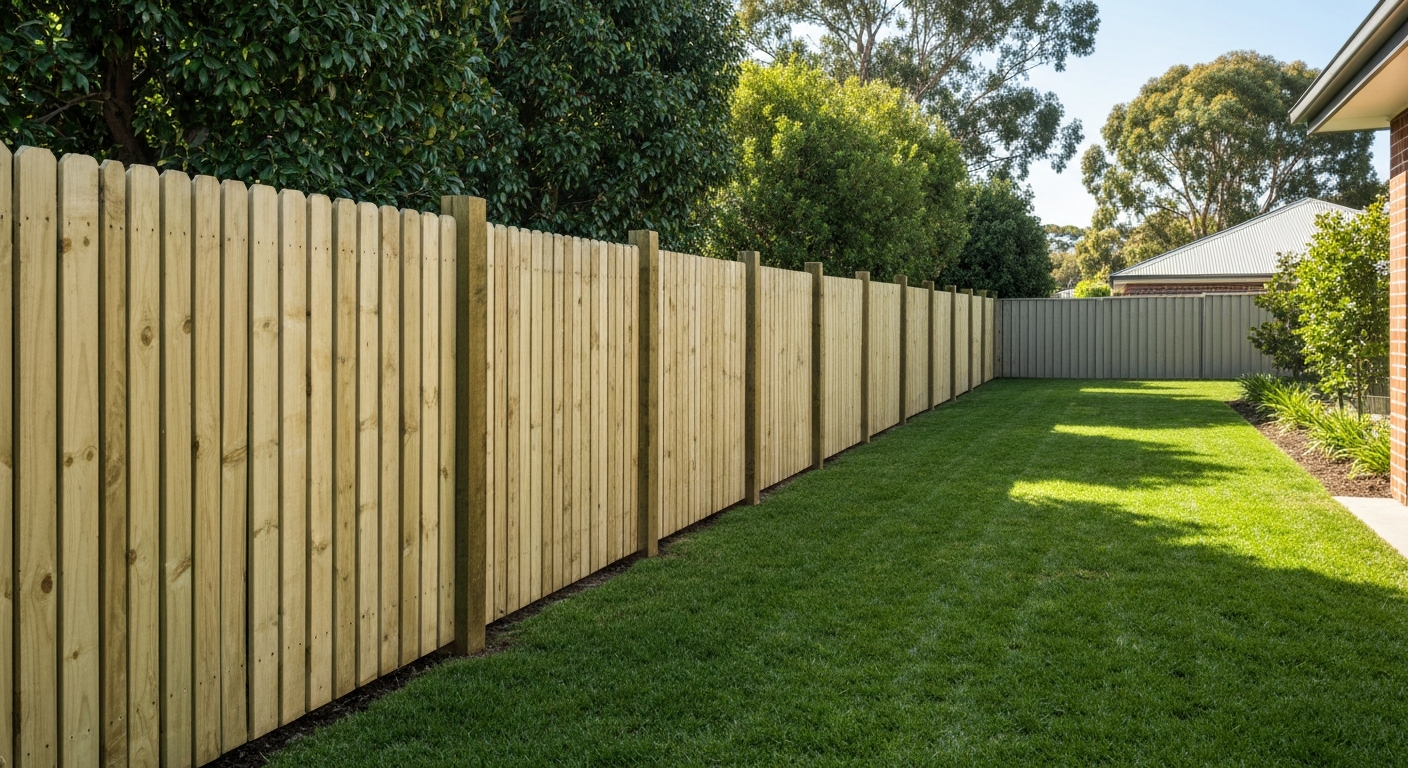
Pickets: Pickets specify the look. Treated pickets stand up to rot at the bottom side, yet they have a tendency to show up wetter and rougher, which can telegram via stain and lead to more warp. Cedar pickets, even alike grades, mill smoother and mug much less. With a one inch space off grade and a good finish, cedar pickets can last longer than cured pine pickets in lots of above ground problems. In really damp yards or against bushes that never completely dry, cured pickets might acquire time. Fence Installers with a solid coating game can make either look good on day one, yet cedar ages extra gracefully.
Species and grades that matter
Southern yellow yearn takes treatment well. The cells accept chemical, which is why treated fencing stock in much of the country is ache. Spruce and fir show up in stockade panels and budget plan rails, without treatment. They develop a straight fence quickly, yet they do not forgive poor drainage.
Cedar is not one point. Western red cedar heartwood is the traditional. It has all-natural rot resistance and a limited grain. However a lot of what the box stores call cedar is combined sapwood or a various species with much less longevity. Talk to your Fence Contractor concerning grades. A clear face picket or a select tight knot rail acts very in a different way from a board packed with loosened knots and sap. Redwood sits in the very same classification as cedar, with fantastic weathering and greater expense. I have actually made use of redwood where customers want a deep, also complete and prepare to maintain it.
Beware the concept that untreated equates to rot magnet. Without treatment cedar rails, deflected quality and secured, commonly beat treated ache rails that cup and hold water. You are handling moisture, not winning with chemistry alone.
Climate, dirt, and the fencing's day-to-day life
The ideal choice in Amarillo is the wrong choice in Biloxi. Dry inland air will inspect boards, yet it will not rot them as fast. Coastal air supplies salt, which rusts bolts and discolorations timber. High elevation sunlight cooks finishes and opens up end grain. Heavy clay swells, traps water, and asphyxiates article bases.
I examination a site with a shovel and my nose. If I pull up an inside story and the opening beams wet in 2 minutes, I plan for drain. If the soil fails my fingers completely dry and sandy, I prepare for wind lots and sun. I watch the lawn sprinklers. Fifty percent the fences we replace deteriorated quicker due to the fact that the watering tossed an everyday bath on the bottom 2 feet. If the fence line runs behind bushes, assume the boards will certainly dry out slow-moving. That turns me toward cured elements and bigger clearances.
The bolt concern that damages great intentions
Copper-based treatments are harsh on the incorrect steel. Galvanized fasteners protect steel with zinc. Hot-dip galvanizing holds up far better than electroplated. In coastal or really wet zones, stainless is more secure, specifically with cedar and redwood that can be acidic and tarnish iron. When I see black touches running down a picket from every nail head, I know the contractor saved a couple of dollars on nails and lost years on appearance.
Use connectors rated for treated lumber. Joist wall mounts, article bases, angle brackets, and screws all come in versions created to live with chemicals. Fence Installers that stock the right bins do not need to hesitate. If you are hiring, ask to see a box. A good team reveals you uncoated framing nails for framing, layered or stainless for cured fence picks, and so forth. Matching steels to timber is not vanity. It keeps your fence intact.
Movement, moisture, and lumber that will not rest still
Treated lumber usually gets here damp from the plant. As it dries on website, it shrinks throughout the grain. You can listen to rails checking on warm mid-days, a seem like rice crisping. If you pin a damp rail limited in between articles without space to move, it will certainly divide or bow. Smart Fencing Builders stack and acclimate, or they account for contraction in the format. They additionally crown rails and keep bark side out on pickets to minimize cupping.
Untreated cedar shows up drier and more stable. It mills cleaner. It takes tarnish uniformly if you offer it a light sand to open the face. The board does not battle you on install the means sopping wet cured pickets do. On a long run, that can save hours and lower the number of returns for deformed pieces.
Health, dealing with, and ecological notes
Old solutions like CCA were phased out for a lot of residential usage years back. Modern preservatives are less poisonous, however you still treat them with regard. Cut dealt with lumber outdoors. Put on a dirt mask when you saw and handwear covers if you have sensitive skin. Do not burn offcuts. Carry them to a facility that approves treated waste.
From an environmental perspective, a fencing that lasts much longer with fewer replacements often wins. Cedar and redwood from well handled forests have a light impact each year of solution. Treated ache, if it increases the life span of posts, lowers concrete demolition and carrying. There is no blanket virtue below. It is a site decision.
Dollars and life-span, without the sales pitch
Budget drives choices, yet not as much as routine would certainly have you assume. Here is a real pattern from current builds. On a 100 foot personal privacy fence at six feet tall:
- Treated want posts, rails, pickets: low product cost. Anticipate 8 to 12 years in a wet climate with ordinary maintenance, typically extra in completely dry conditions.
- Treated posts, cedar rails and pickets: medium product price. Expect 12 to 20 years with sane upkeep. The face looks much better much longer, and the articles do the hefty work.
- Cedar blog posts, cedar rails and pickets: greater expense. Anticipate variant based upon drain. In well drained pipes dirts with thoughtful set up, it can match or beat mixed builds. In soggy beds, posts can go early unless you isolate them from continuous wet.
Labor is normally constant throughout mixes, other than with wet treated pickets that deal with the nail gun and need even more sorting. Coatings even some of this out. A light oil on cedar every two to three years keeps color and drops water. Treated want that is left bare goes gray and checks, yet an excellent tarnish with UV blockers subjugates it. Strategy a surface schedule at the contract stage. It is not an add-on. It becomes part of the fence's lifespan.
Quick picks by scenario
- Heavy clay, poor drainage, lawn sprinklers striking the line: ground contact dealt with posts and at least treated rails. Cedar pickets with 1 to 2 inches of ground clearance, secured bottoms.
- Windy, completely dry, high sunlight: treated messages or steel posts, cedar rails and pickets. Stress fastener high quality and rail spans.
- Coastal air with salt: stainless bolts throughout, dealt with messages, cedar encounters. Maintain concrete crowns and stay clear of water cups.
- Budget with suitable drain: treated blog posts and rails, cedar pickets when possible. If not, dealt with pickets with a semi-transparent tarnish within six weeks.
- Premium appearance with longevity: steel posts, cedar or redwood rails and pickets, hidden fasteners or stainless ring shanks, oil surface preserved on schedule.
Install details that separate pros from repairs
The ideal Fencing Contractors have a bag of routines that maintain water moving away from timber. We bell the bottom of blog post openings just where frost is not a fear, and in freeze areas we aim for straight shafts with gravel base to let water out. We established blog posts on a few inches of compressed gravel, not straight onto clay. We incline concrete away from the post with a small crown so rain does not sit and wick.
I seal every end cut on treated supply with a compatible preservative. It takes a minute and adds years. On cedar, I pre-seal the lower inch of pickets prior to mount if we are tight to grade. I never bury an imprison a pocket that traps water. I leave a slim capillary break or utilize a brace that lets air pass. On action downs, I keep the lower rail up enough that mulch and ground cover will not load versus it.
If we are making use of treated pickets, I figure out the really damp and the already cupped boards and let them rest a day when the timetable permits. It pays me back in a straighter face. For privacy fencings, I toenail or screw at two thirds elevation to handle cupping pressures, and I do not nail as well close to the end grain where divides start.
Finishes, color, and the schedule you can not ignore
UV breaks down lignin in wood. That is the glue that holds fibers with each other. Water swells fibers, and the cycle of damp and dry opens up checks. Discoloration is not decor. It is a shield. Oil based semi-transparent stains permeate and shed water, but they still need freshen in 2 to 3 years under sunlight. Waterborne polymers rest extra externally, and some last longer colorwise, but they can peel if you do not prep well.
Treated timber needs to dry sufficient to take finish. That is a judgment phone call. A dampness meter assists, but so does your hand. If the board really feels awesome and heavy and pushes back at the brush, wait. With cedar, I favor to discolor not long after mount prior to the surface oxidizes, specifically for also color.
Plan upkeep with the Fence Contractor. A fast clean in year two, a light recoat in year three, then stretch as your sun determines. If a staff tells you no upkeep is required, you are getting gray and checks as an appearance. That is fine if you love it. Feel in one's bones what you are choosing.
Standards, service warranties, and what paperwork can and can not promise
Retail dealt with blog posts often bring a decades-long rot guarantee. Check out the fine print. It generally covers degeneration of the timber itself, not failure from poor mount, split tops that channel water, or concrete mugs. Over ground treated products are not suggested to live hidden. For ground get in touch with, request the score. Your Fencing Installer need to understand the difference and spot-mark the posts.
Local code may need depth below frost, ask for utility situates, and dictate fencing elevation. None of that talks with treated vs. Unattended straight, but it forms the develop. Some house owner organizations limit face products. A great Fence Contractor navigates all this without dramatization. The paper does not develop the fencing, but it can come back to assist if there is a problem in the product.
When to go crossbreed or miss wood in essential spots
I like timber for its heat and the means it sits in a lawn. I additionally such as a job that does not send me back in 5 years because articles transformed to sponge at quality. In typhoon belts and soaked cul-de-sacs, steel articles with timber rails and pickets are a silent win. Powder coated articles go away behind pickets. In termite zones, concrete standoffs or composite article sleeves maintain timber out of consistent contact with damp earth.
I have made use of gravel set blog posts without concrete in extremely well drained soils. Done right, with limited tamping in lifts, it works and lets water out. It is not for wind crammed edges or loose sand. Foam message sets Find more info come up in ads and babble. I avoid them. They do not drain pipes well, and they do not grip the sides of the opening like concrete or tamped gravel.
Questions worth asking your Fence Contractor
- What therapy degree are the posts, and is it ground call rated?
- Which species and quality are you using for rails and pickets, and why here?
- What bolts and adapters will certainly you utilize with this timber and treatment?
- How will certainly you deal with water drainage at the message base and prevent water mugs on rails?
- What is the maintenance prepare for finish, and when will the very first coat go on?
The judgment call that makes a fencing last
The choice between treated and neglected lumber is not tribal. It is a truthful consider your yard's water, sun, and dirt, and a match of product to each element's work. Treated posts are economical insurance coverage versus rot where wood fulfills dirt. Without treatment cedar or redwood up top offers you straighter lines, calmer activity, and a finish that stays handsome longer. Bolts, details, and upkeep make larger distinctions than many budget plans permit, yet they set you back little in the moment.
The best Fence builders, the ones whose job still stands straight while others droop, make a decision product by microclimate, not by practice. They bring end cut sealer. They crown concrete. They vent rails. They space pickets off quality and established a calendar for stain. If your Fencing Contractor talks in this way on the walk-through, you are most likely to wind up with a fence that looks good in year one and is still gaining its keep a years later. And if they do not, maintain strolling up until you discover one that does.